
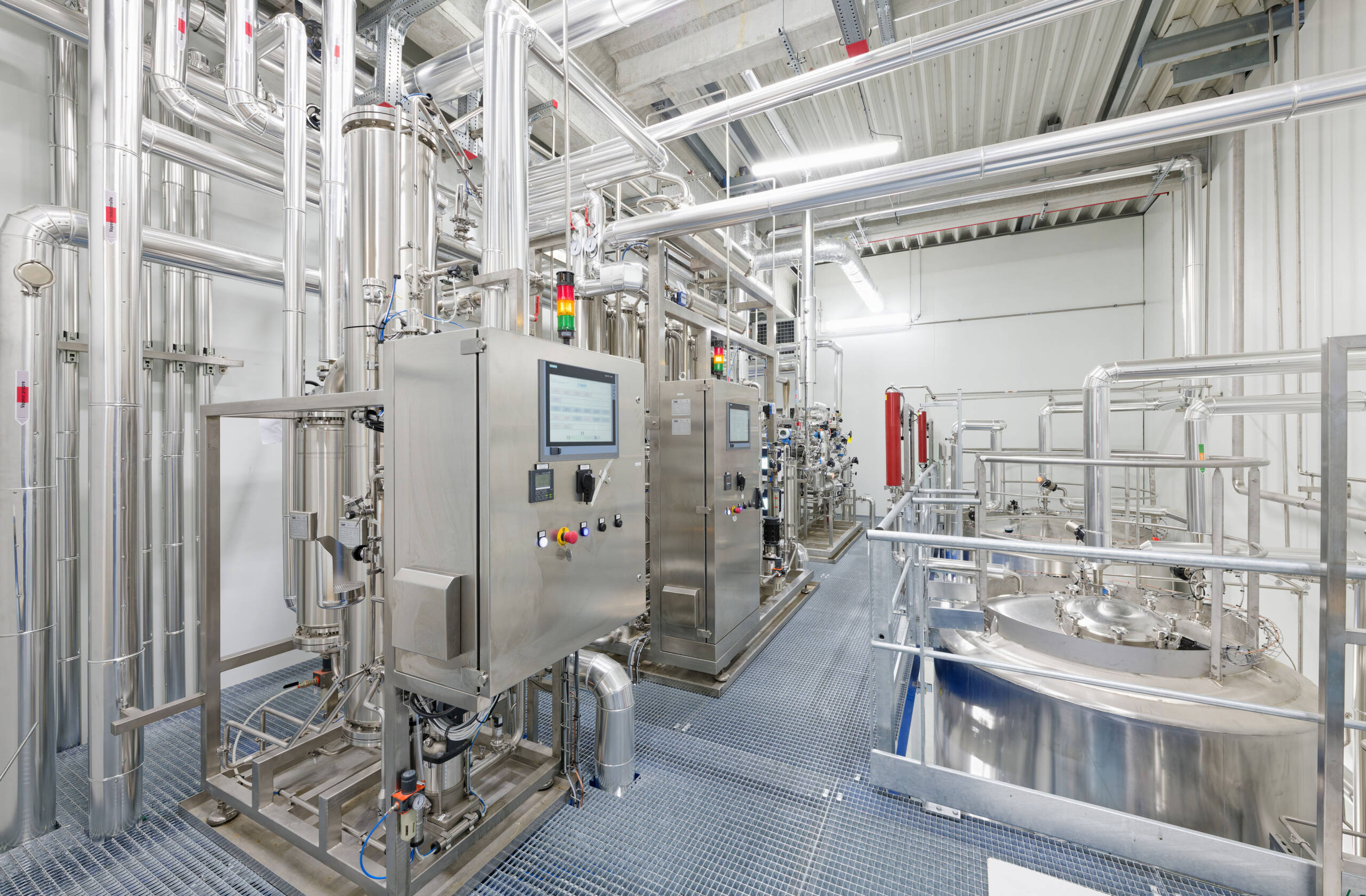
IDEC SANTÉ positions itself as a key partner for pharmaceutical manufacturers thanks to its expertise in the design and qualification of clean utilities. These systems, which are essential to the operation of pharmaceutical facilities, require advanced technical and regulatory expertise. Drawing on a proven methodology and tailor-made solutions, IDEC SANTÉ supports its clients in the successful delivery of their projects.
What are clean utilities?
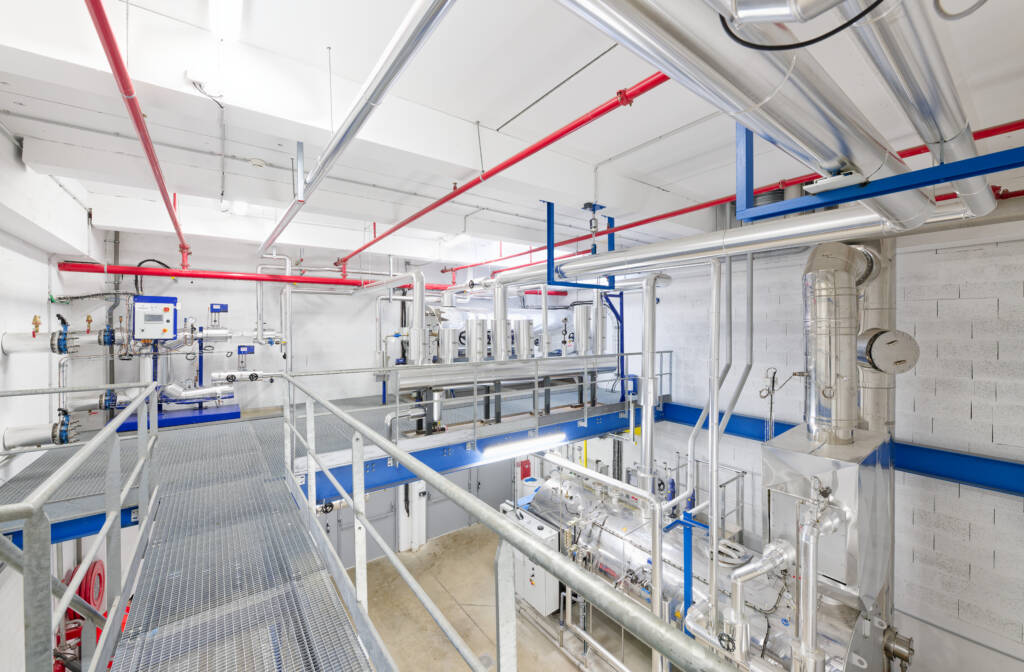
Clean utilities include all the systems essential to the operation of pharmaceutical manufacturing facilities. These include Controlled Environment Areas (CEA), Process Compressed Air (PCA), Purified Water (PW), Water for Injection (WFI) and Clean Steam (CS). These infrastructures ensure the cleanliness and safety of manufacturing processes while complying with the strict standards imposed by international regulatory authorities.
Critical utilities: a direct impact on the quality of medicines
In the pharmaceutical industry, clean utilities are considered critical systems because of their direct impact on the quality of medicinal products. These critical utilities, such as Purified Water (PW), Water for Injection (WFI) and Clean Steam (CS), come into contact with or are integrated into the finished product and must therefore be fully qualified to ensure the microbiological, chemical and operational compliance of pharmaceutical products. Their rigorous qualification is essential to guarantee patient safety and the reliability of treatments.
A major role in the pharmaceutical industry
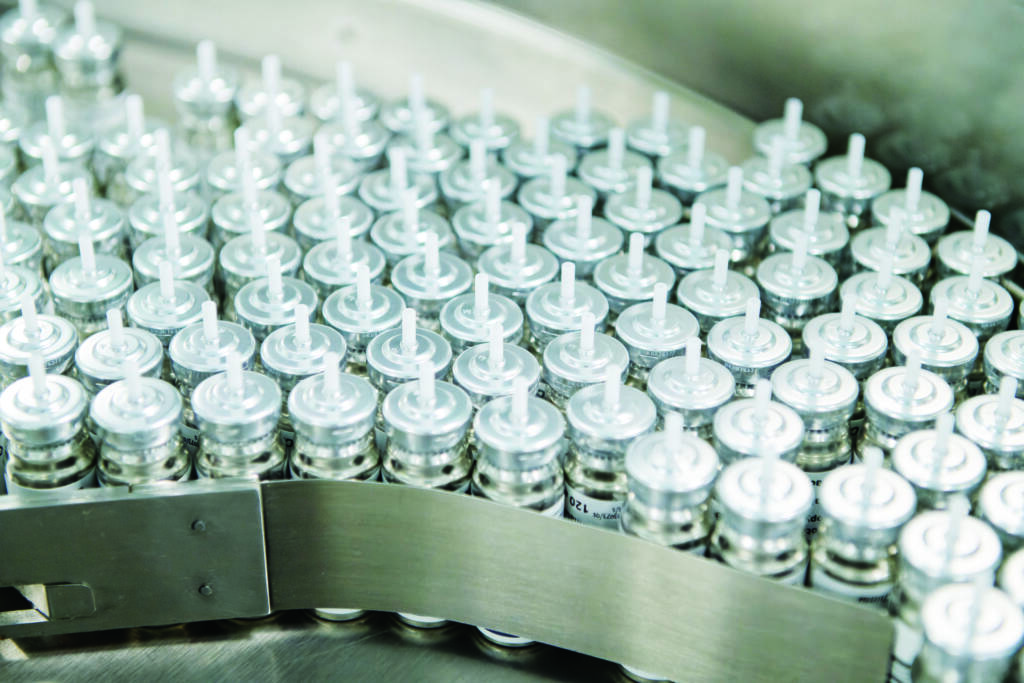
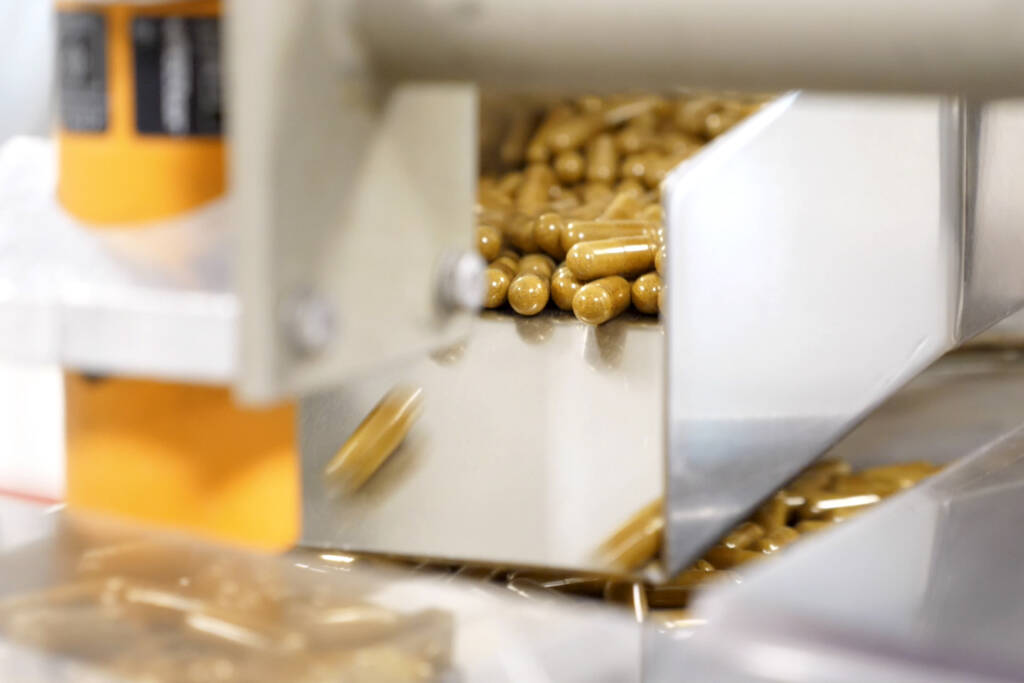
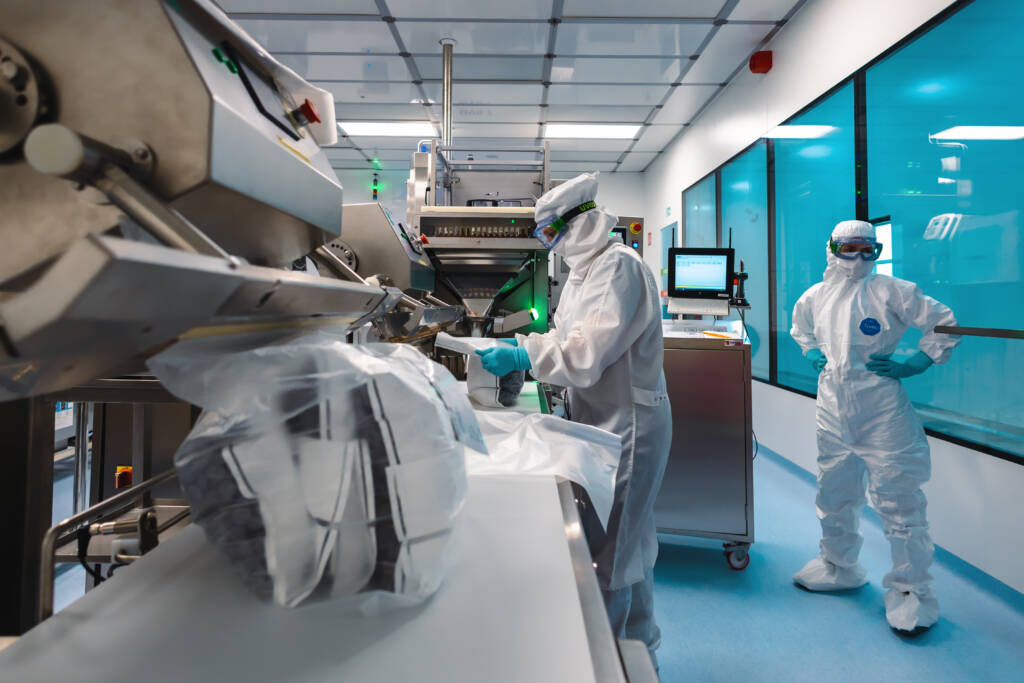
Clean utilities are essential at every stage of pharmaceutical production, from equipment cleaning and sterilisation to manufacturing processes. Their design and implementation are subject to stringent quality requirements to ensure the compliance of pharmaceutical products. These systems therefore play a key role in patient safety and the reliability of medicines.
Expertise mastered by IDEC SANTÉ
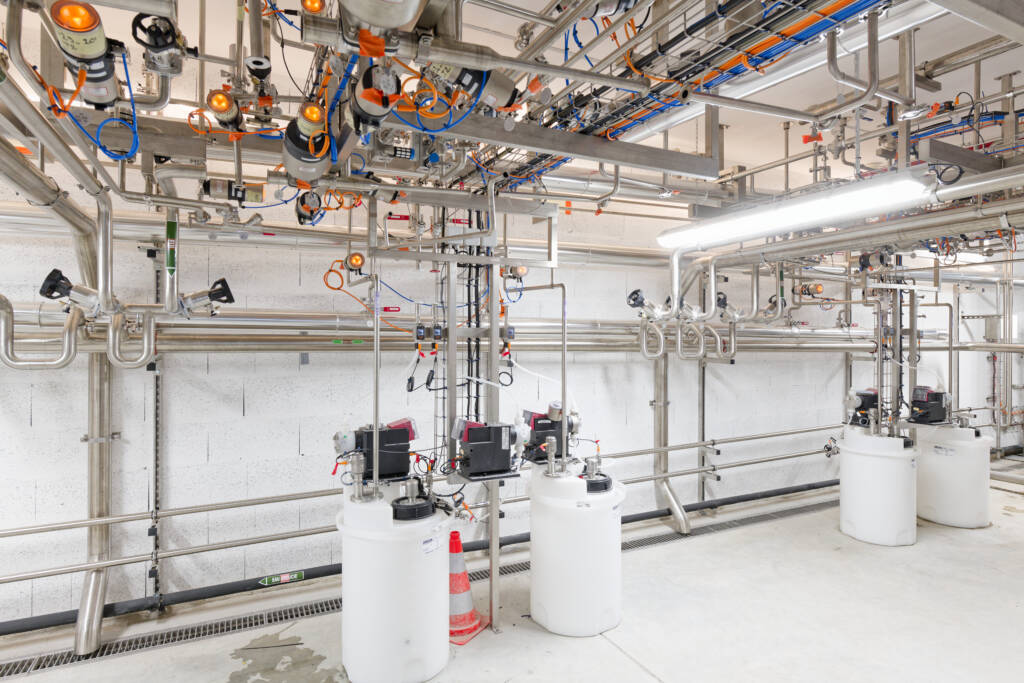
Within its turnkey projects, IDEC SANTÉ systematically integrates the design, installation and qualification of clean utilities. By combining technical expertise, regulatory compliance and comprehensive project management, the company supports its clients in the strategic integration of these systems. This expertise enables IDEC SANTÉ to deliver infrastructures perfectly suited to the requirements of pharmaceutical manufacturers.
A unique methodology for tailor-made projects
Every project managed by IDEC SANTÉ benefits from a bespoke approach. Detailed engineering studies enable the design of installations tailored to the specific characteristics of each site. By integrating regulatory, operational and environmental constraints, the company develops innovative and sustainable solutions, validated through rigorous Commissioning (FAT/SAT) and Qualification (DQ, IQ, OQ) phases covering equipment, installations, utilities and HVAC systems/areas.
A practical example: the design and construction of a new production facility for primary packaging components for injectable pharmaceutical products
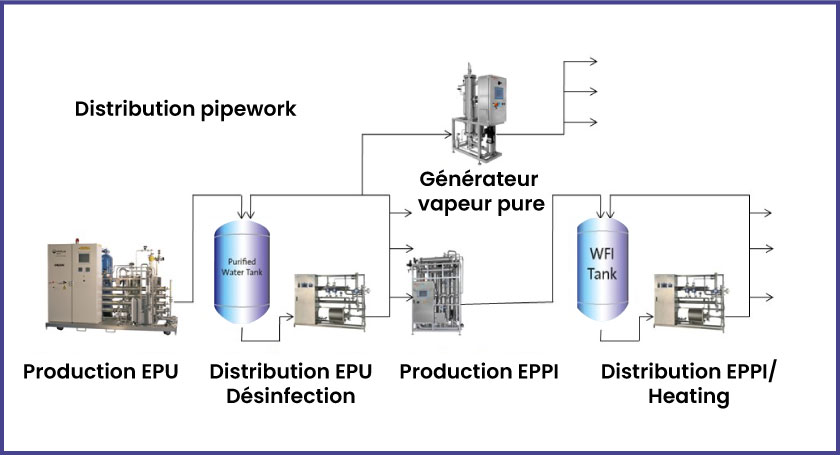
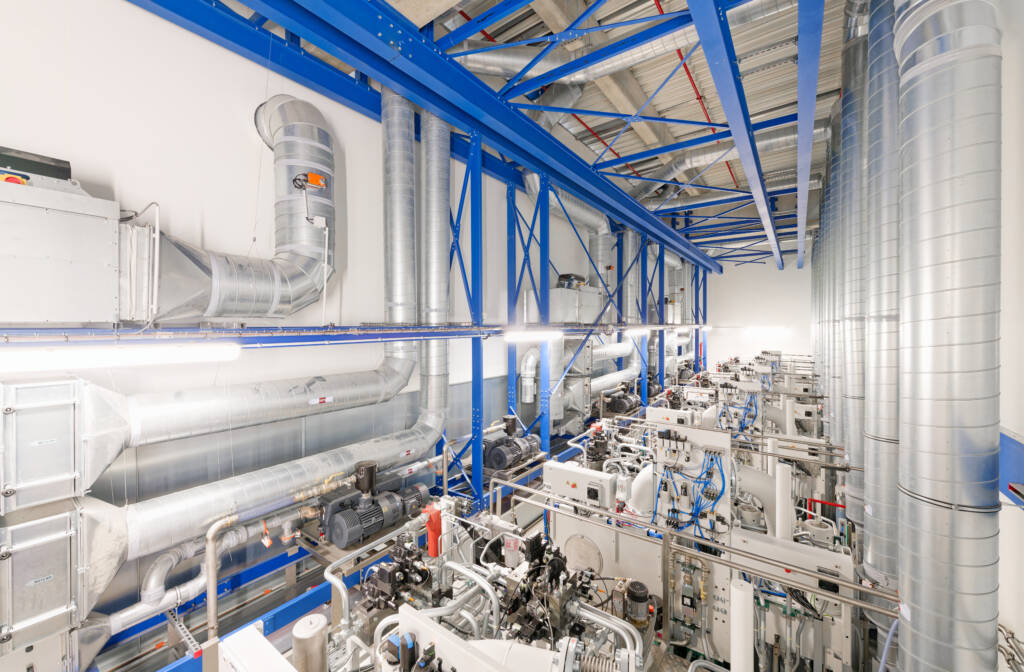
This project perfectly illustrates IDEC SANTÉ’s expertise. The company designed and qualified clean utilities that comply with the most demanding international standards, including a Clean Steam Generator, Purified Water (PW) and Water for Injection (WFI) generation and distribution systems, a Process Compressed Air (PCA) generation and distribution system, and a Siliconised Water generation and distribution system. These critical infrastructures were qualified through extensive testing, ensuring their reliability and compliance.
Within the production process for rubber components, clean utilities are generally used during the following stages:
Purified Water (PW):
- Rinsing: Purified Water is used to rinse components after the initial cleaning stages, before the final rinse with Water for Injection (WFI).
- Surface preparation: Before surface treatments such as siliconisation, components may be rinsed with Purified Water to ensure a clean and uniform surface. This is essential to guarantee the homogeneous application of surface treatments.
Water for Injection (WFI) (produced by distillation):
- Final cleaning: Water for Injection is used for the final rinsing of components after the initial cleaning stage. It ensures that the components are free from mineral and chemical residues, which is essential for sensitive pharmaceutical and medical applications. The use of Purified Water followed by Water for Injection is essential to maintain the highest standards of cleanliness and quality in the production of rubber components, particularly for applications requiring very high levels of purity.
- Clean Steam: Used for the sterilisation of washing equipment. The use of Clean Steam contributes to maintaining the highest standards of cleanliness and quality in the production of rubber components.
Siliconised Water:
- Moulding – Release agent: Siliconised Water may be applied to mould surfaces before moulding. It acts as a release agent, reducing adhesion between the rubber and the mould. This facilitates demoulding after vulcanisation while minimising the risk of deformation or tearing.
- Deflashing – Improved cutting: During the deflashing process, Siliconised Water may be used to lubricate blades or cutting tools. This reduces friction, enables cleaner and more accurate trimming of excess material and extends the service life of the cutting tools. The use of Siliconised Water during these stages improves production efficiency and contributes to the manufacture of high-quality rubber components with clean and precise finishes.
IDEC SANTÉ supports its clients throughout every phase of the commissioning and qualification process for clean utility production systems:
1. Design Qualification (DQ)
- Verification of technical specifications (equipment and materials) against the client’s User Requirements Specification (URS).
- Validation of drawings and process diagrams.
- Compliance with applicable regulatory requirements.
2. Factory Acceptance Test (FAT)
- Factory testing to verify that the equipment operates in accordance with the specifications before shipment to site.
- Validation of performance and functionality under controlled conditions.
3. Site Acceptance Test (SAT)
- On-site testing after installation to verify that the equipment operates correctly under actual operating conditions.
- Verification of system integration and overall performance.
4. Installation Qualification (IQ)
- Documentation review.
- Verification of installed equipment, connections and piping.
- Electrical continuity testing.
- Piping leak testing.
- Equipment alignment verification.
5. Operational Qualification (OQ)
- Functional testing of the systems.
- Validation of critical operating parameters.
- Implementation of operating and maintenance procedures.
- Production simulation.
6. Performance Qualification (PQ) (performed by the end user)
- Evaluation of the critical parameters of the produced water.
- Performance testing under operating load.
- Verification of cleaning and maintenance procedures.
- Performance data analysis.
The V-Model: a structured approach to qualification
The V-Model is a development and validation methodology that ensures full traceability of project requirements throughout the entire project lifecycle. Each development phase is directly linked to its corresponding validation phase. By mastering these technologies and continuously strengthening its processes, IDEC SANTÉ is now even better equipped to meet the expectations of pharmaceutical manufacturers requiring state-of-the-art infrastructures where reliability, precision and regulatory compliance are critical.
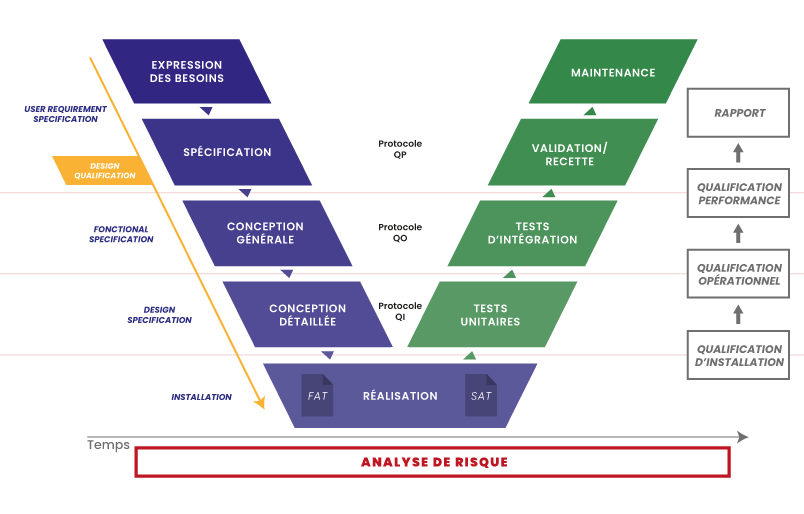
The complexity of these systems has enabled IDEC SANTÉ to significantly strengthen its expertise in clean utilities by developing advanced capabilities in the design, construction and qualification of these critical infrastructures.
The complexity of these systems has truly challenged us to push our limits and make significant progress in our field.
Cédric de WAVRECHIN, Managing Director, IDEC SANTÉ
By addressing these technical challenges, IDEC SANTÉ has not only fulfilled its client’s expectations but has also reinforced its position as a leader in the delivery of complex and highly technical infrastructures for the pharmaceutical industry. This project now represents a major reference for the future industrial challenges the company may undertake.
By mastering these technologies and strengthening its processes, IDEC SANTÉ is now even better prepared to support manufacturers requiring state-of-the-art infrastructures where reliability, precision and compliance are essential.
Contact IDEC SANTÉ for your pharmaceutical industrial projects
If you are planning the refurbishment or construction of a pharmaceutical manufacturing facility, trust IDEC SANTÉ to successfully deliver your project. Its expertise in the pharmaceutical sector, combined with its commitment to sustainable and fully compliant solutions, makes it the partner of choice. Contact IDEC SANTÉ to discuss your requirements and discover how its teams can support the transformation of your industrial facilities.